by abduzeedo
Discover how "vibe coding" with Gemini 3.0 and Antigravity birthed Lettrix, a minimalist word game that swaps complex engines for pure AI-driven logic.
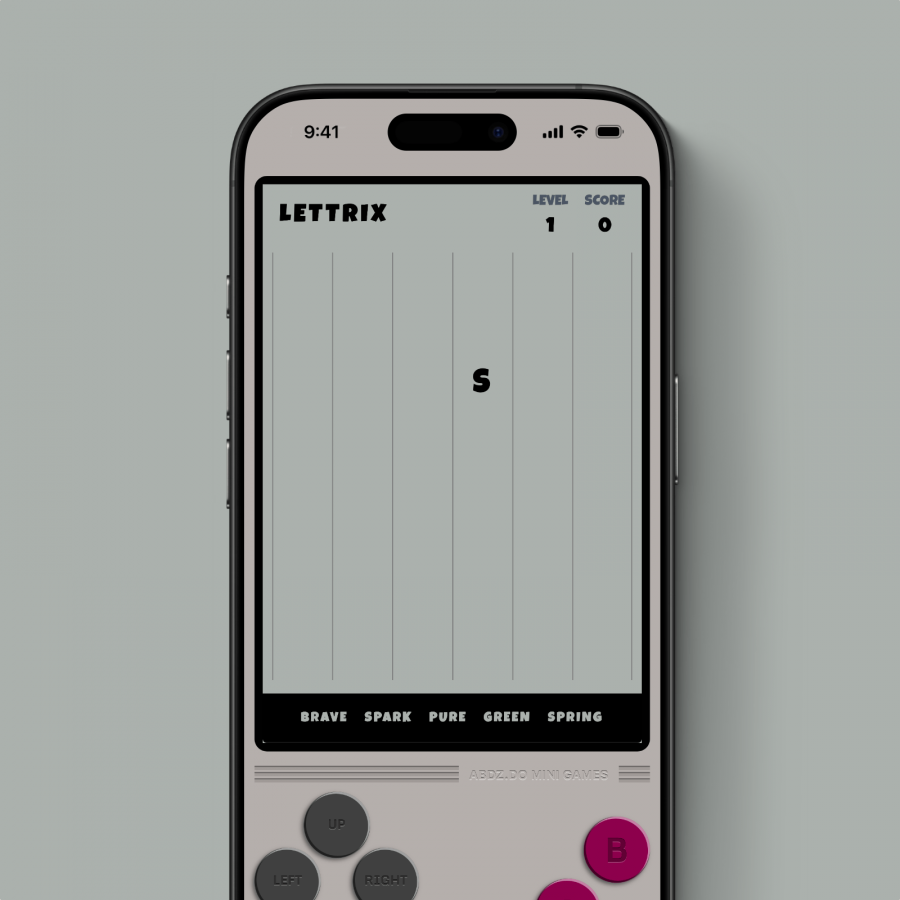
During the holiday break last year, I decided to build a little game for my son. He is obsessed with word games like Wordle, while I have always had a deep love for the mechanical tension of Tetris. It sparked a question: what if instead of blocks, we had letters falling? With that simple idea in mind, Lettrix was born. This wasn't just a coding project; it was another experiment in vibe coding, a process where the barrier between a designer's intent and the final product virtually disappears.
I wanted the execution to be as lean as the concept. I didn't want any fancy game engines, heavy React frameworks, or bloated dependencies. I chose to lean entirely into AI to bridge the gap between my vision and the code. Using Gemini 3.0 and the then-just-announced Antigravity, I bypassed the traditional development cycle. The goal was a single-file build: one HTML file where all the CSS and Javascript lived in harmony. It felt like a return to a rawer, more honest form of digital craft—building with the speed of thought rather than the friction of syntax.
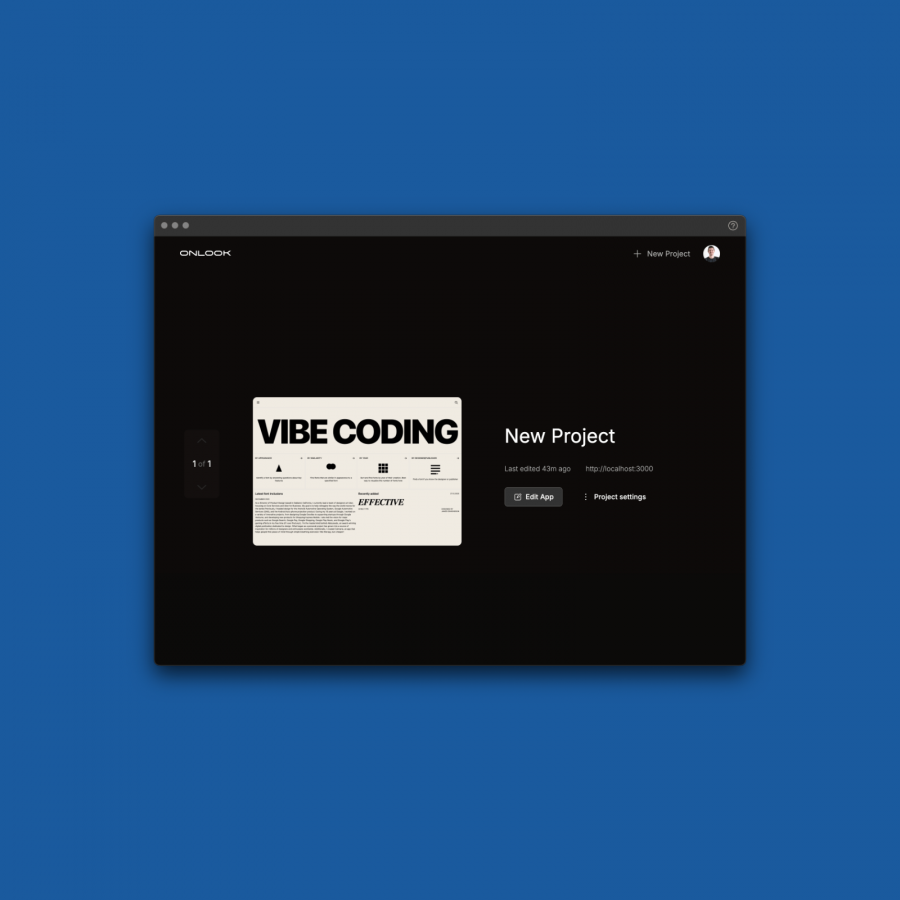
The beauty of vibe coding is that it allows for rapid, almost instant, iteration. The initial idea was elegant: letters would fall, and you could create any word. It sounded perfect in my head. We "vibed" that version into existence in literally minutes. But when I actually sat down to play it, the experience was surprisingly difficult. I couldn't make any words. The freedom was too vast; the "vibe" was off.
At first, I thought it was just because English isn't my first language. To be sure, I brought in my target audience—my son—for some user testing. His feedback was identical. This was the turning point where human intuition had to refine the AI’s output. I realized that players need a "frame of reference." In Tetris, color and shape provide immediate recognition. In a word game, total freedom feels like chaos. I pivoted the logic instantly, instructing the AI to implement a requirement: build five specific words to advance.
Boom. It worked. That small constraint provided the mental anchor needed to make the game fun. From there, it was just about layering in the final "vibe"—visual tweaks, a pause button, and a scoring system.
Ultimately, Lettrix is a proof of concept for a new era. Using these AI models allowed me to move from an abstract thought to a functional, hosted prototype on GitHub Pages in record time. It proves that the future of design isn't about mastering complex software; it’s about mastering the conversation with AI. In this new workflow, the designer's role shifts from manual laborer to high-level curator. The soul of Lettrix isn't in the lines of code, but in the rapid-fire cycle of dreaming, prompting, and testing until the "vibe" is exactly right.
Check it out at https://fabiosasso.com/labs/lettrix/