by jeff
Kettal and Eames Office finally bring the Eames Pavilion System to market, turning Charles and Ray's 1949 modular steel-frame design into livable spaces.
The Eames Pavilion System is one of the most consequential unrealized projects in twentieth-century design. Charles and Ray Eames conceived it in the late 1940s as modular, prefabricated housing based on a steel-frame structural grid with adaptable, industrial components. It was never commercially produced. Now, 77 years later, Kettal and the Eames Office have brought the Eames Pavilion System to market.
Kettal, the Barcelona-based manufacturer, began development in 2024 alongside Eames Demetrios, grandson of Charles and Ray and director of the Eames Office. The process started with archival research: technical drawings, correspondence, and period industry catalogs helped reconstruct the original design intent. The first full prototype was assembled in spring 2025.
The Eames Pavilion System: From Prototype to Product
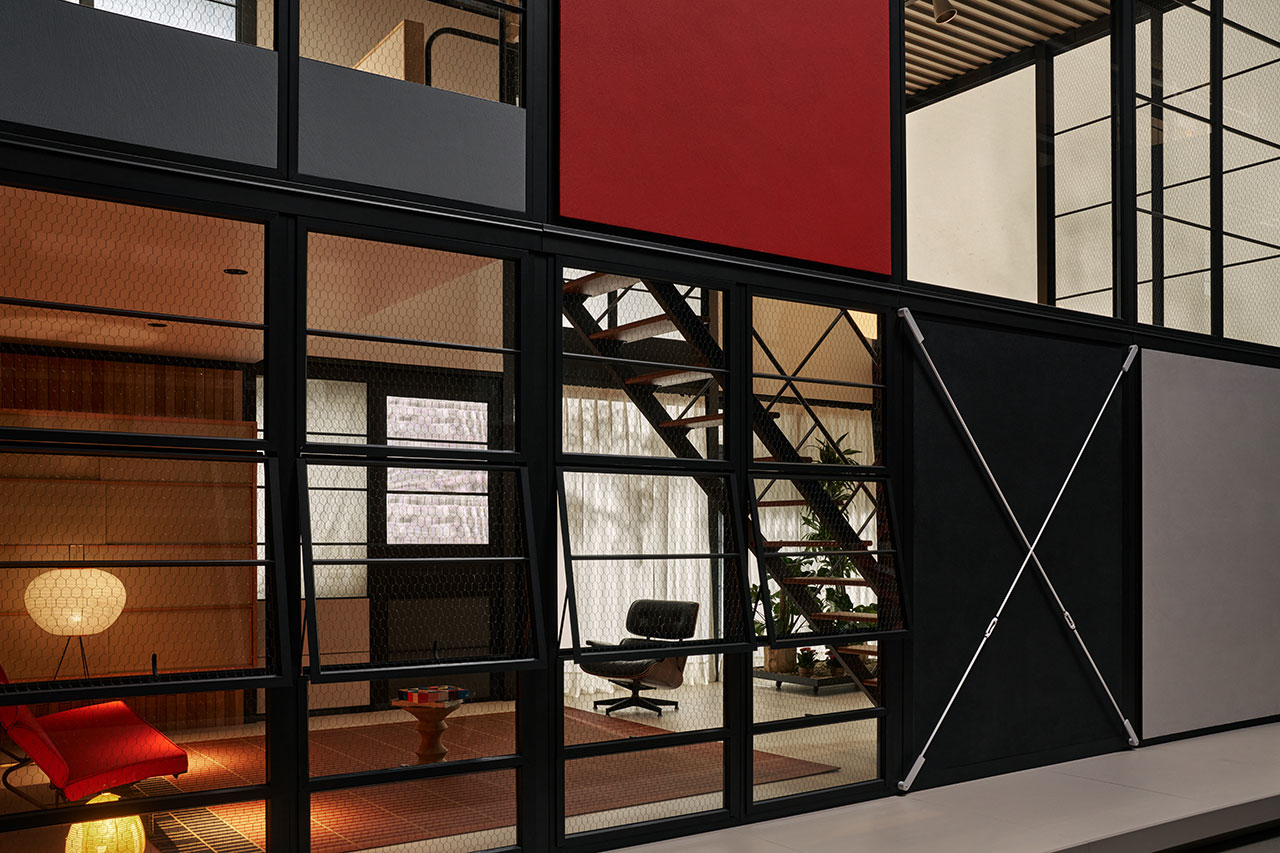
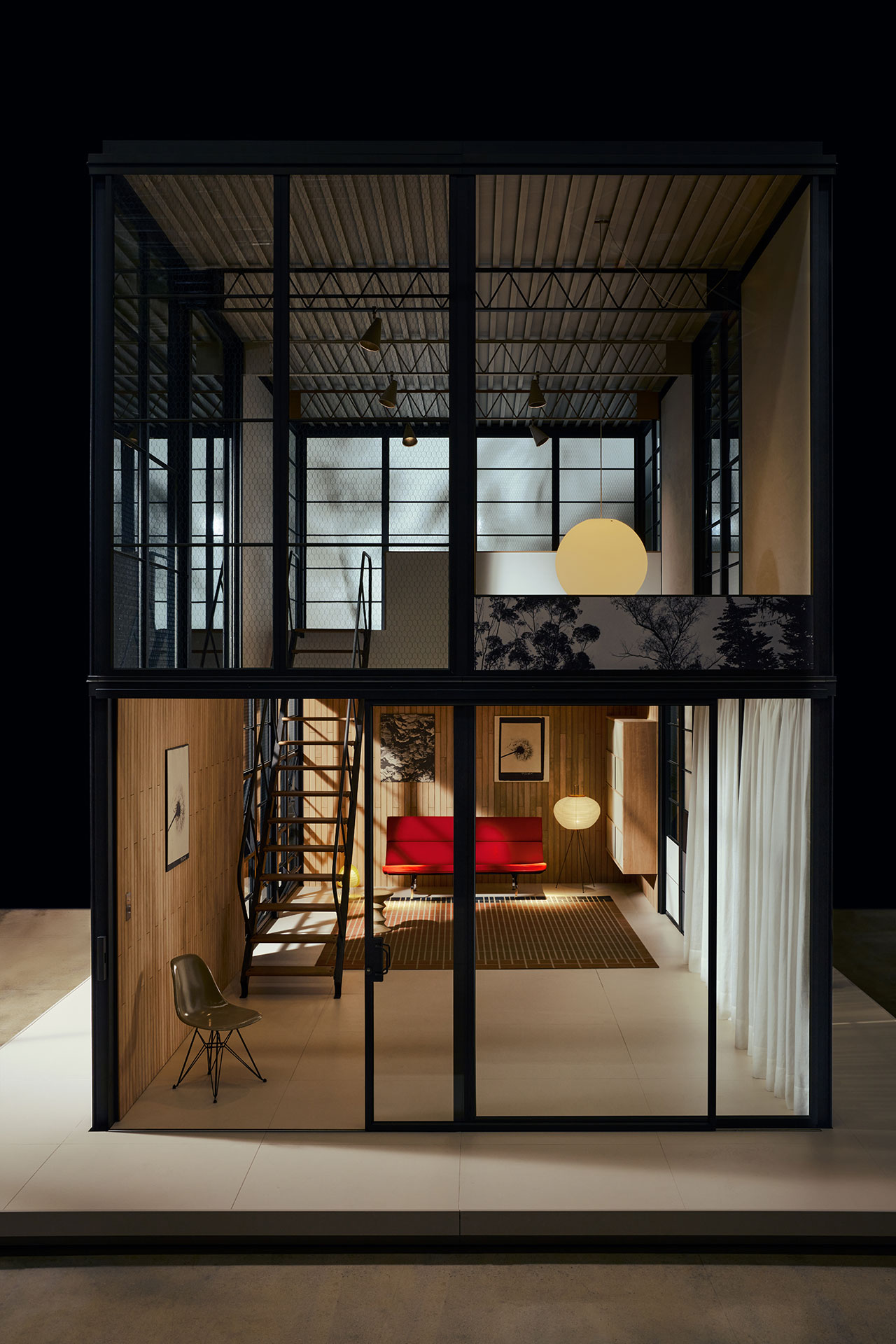
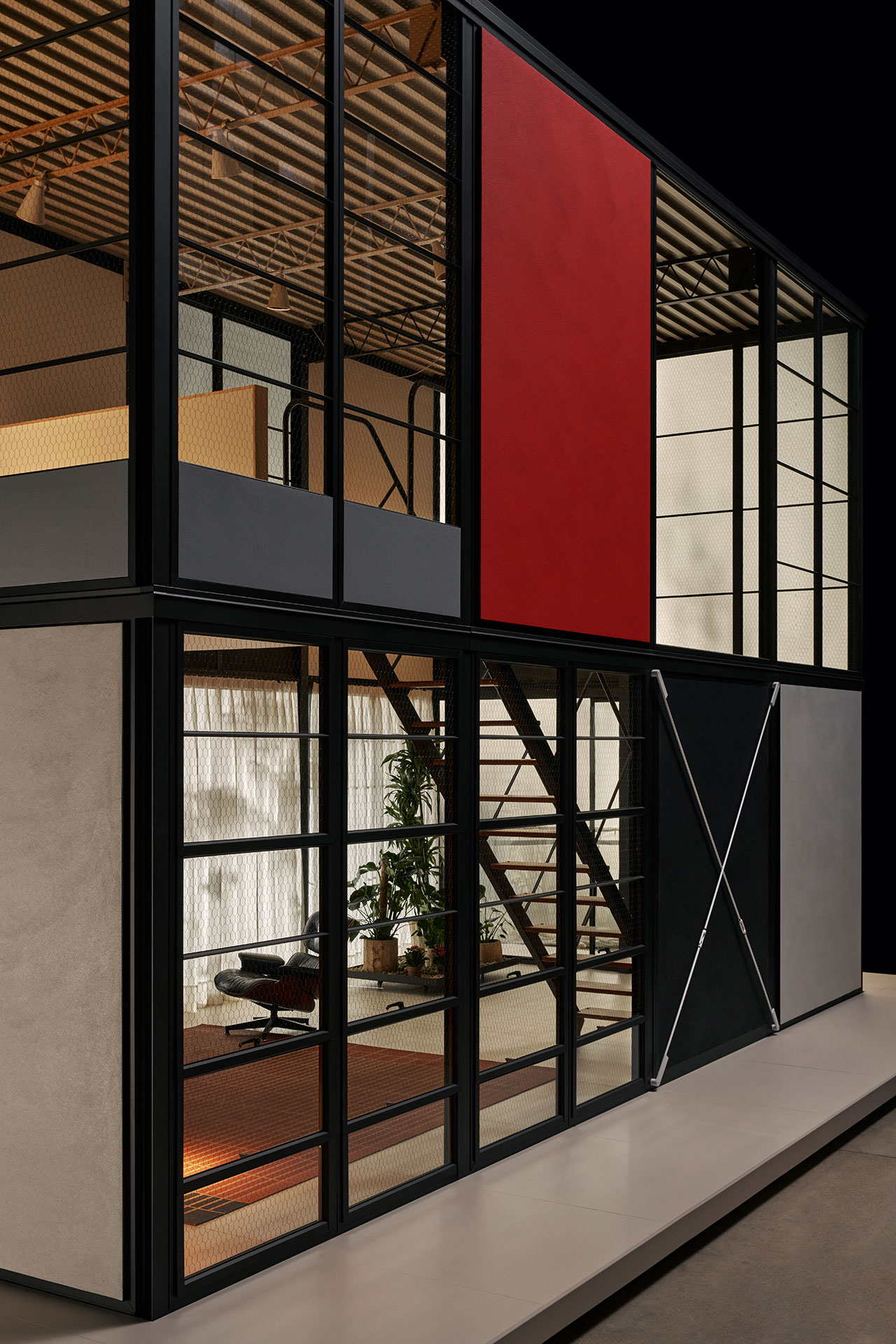
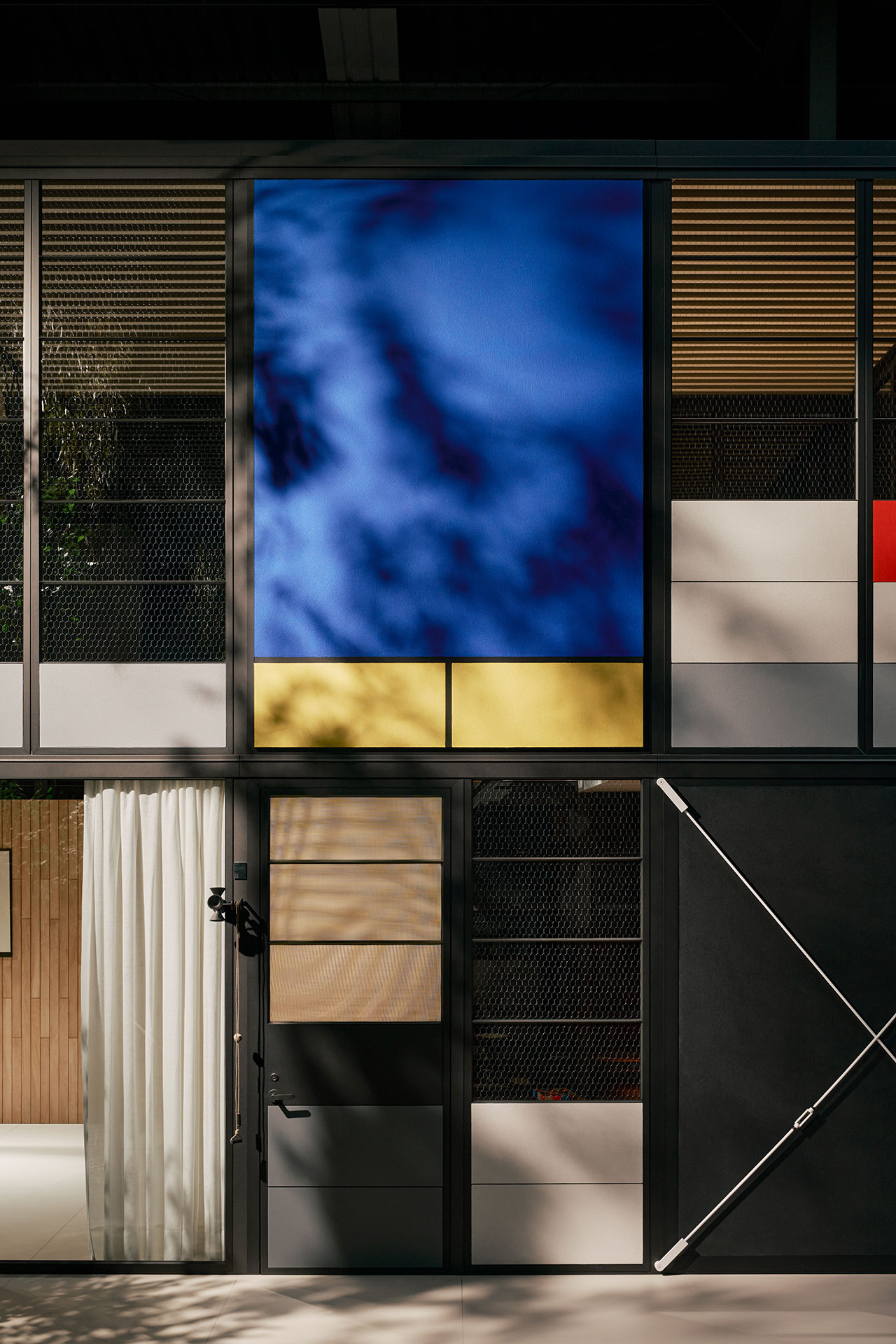
Kettal's engineers translated original profiles and connections to current technical standards without altering the form. The result is a modular system of steel-frame pavilions with floor-to-ceiling glass facades and colorful infill panels in the Eames palette: blue, yellow, red, and warm industrial tones. Black steel framing meets wood walls. Frosted glass diffuses light next to open mesh windows. The Eames Pavilion System scales from residential to commercial use, with facade panels configurable for privacy or public exposure.
For Eames Demetrios, this launch is more than a product. Charles and Ray's writings always described their houses as intended for series production. The Eames Pavilion System, produced by Kettal, makes that vision real. Photography by Yosigo and Rocafort, courtesy of Kettal.