by jeff
Midjourney v7 branding gives designers a clear system—from moodboard to client-ready direction boards—using --sref, --cref, and color palette extraction.
Most designers use Midjourney for inspiration. Fewer use it as a structured professional tool. With v7, the gap between interesting outputs and client-ready deliverables has narrowed—but only if the workflow is deliberate.
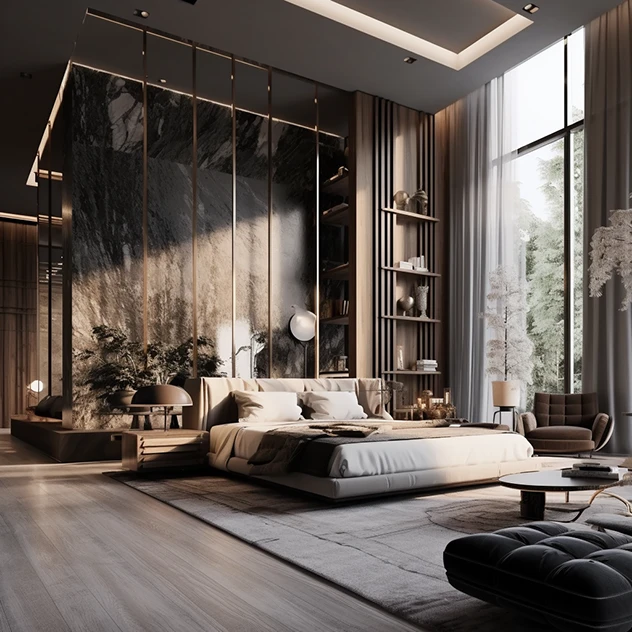
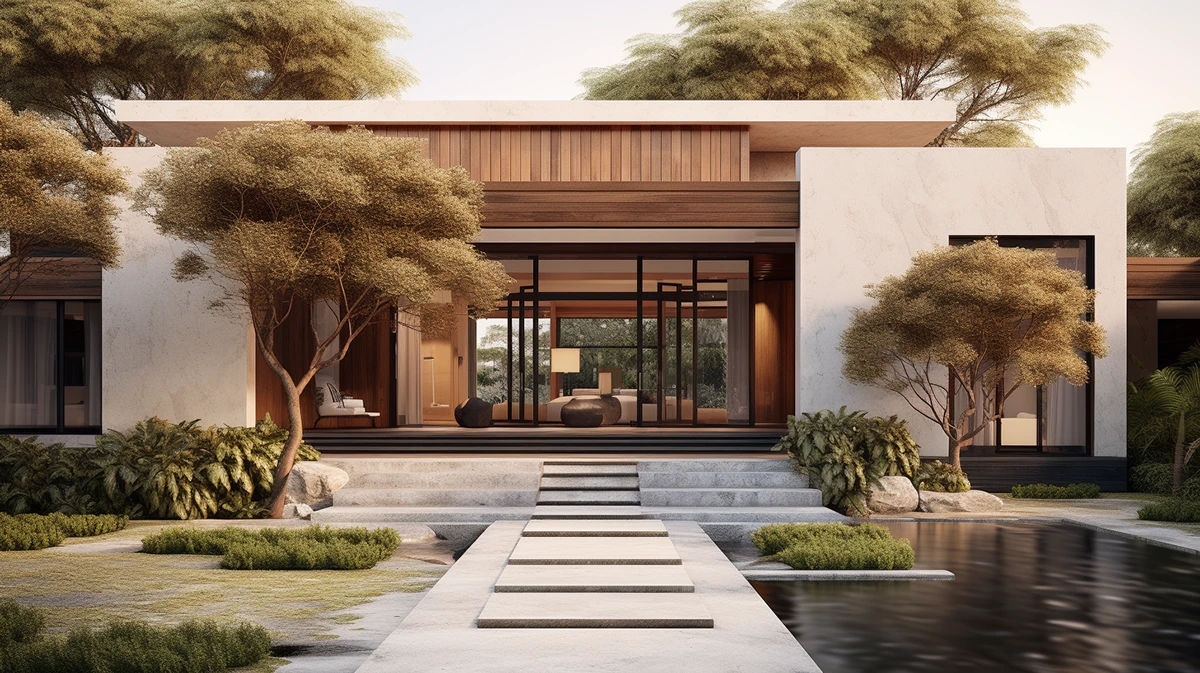
The fictional project here is Lumen Atelier, a boutique architecture studio repositioning for the international luxury market. The brief: precision, warmth, considered luxury. That triad becomes the filter for every generation decision.
How Midjourney v7 Branding Anchors a Visual Direction
Step One: Establishing Visual Territory
Midjourney v7's --sref parameter anchors all generation within a defined aesthetic. Upload two or three reference images—architectural photography, material studies, editorial portraiture—and pass them as style references. A prompt like travertine surface, raking afternoon light, warm mineral palette --sref [ref1] [ref2] --sw 300 --ar 4:5 sets the tone firmly. Run this across eight to twelve prompts spanning architecture, texture, and typographic atmosphere. The result reads as art-directed, not generated.
Step Two: Iteration and Refinement
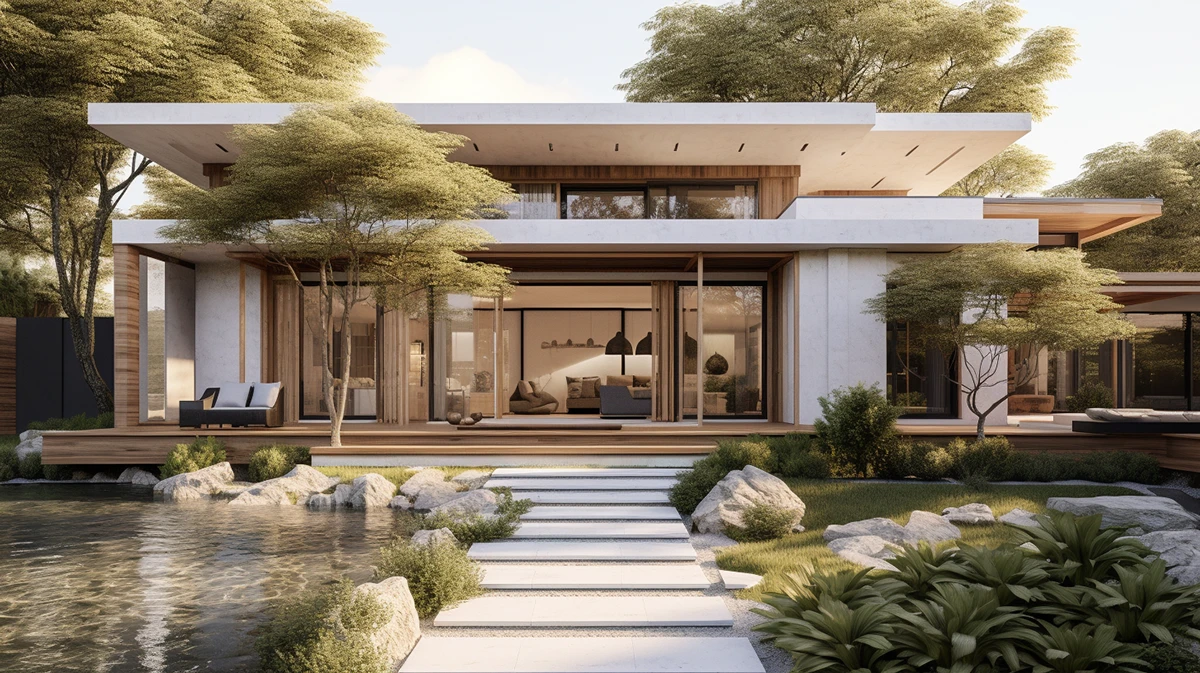
After upscaling the strongest outputs, use vary (subtle) to explore tonal shifts without breaking composition. Use vary (region) to regenerate specific elements—swap a window detail, refine a surface, adjust the light. This is where Midjourney v7 branding work gets precise.
Step Three: Color Formalization
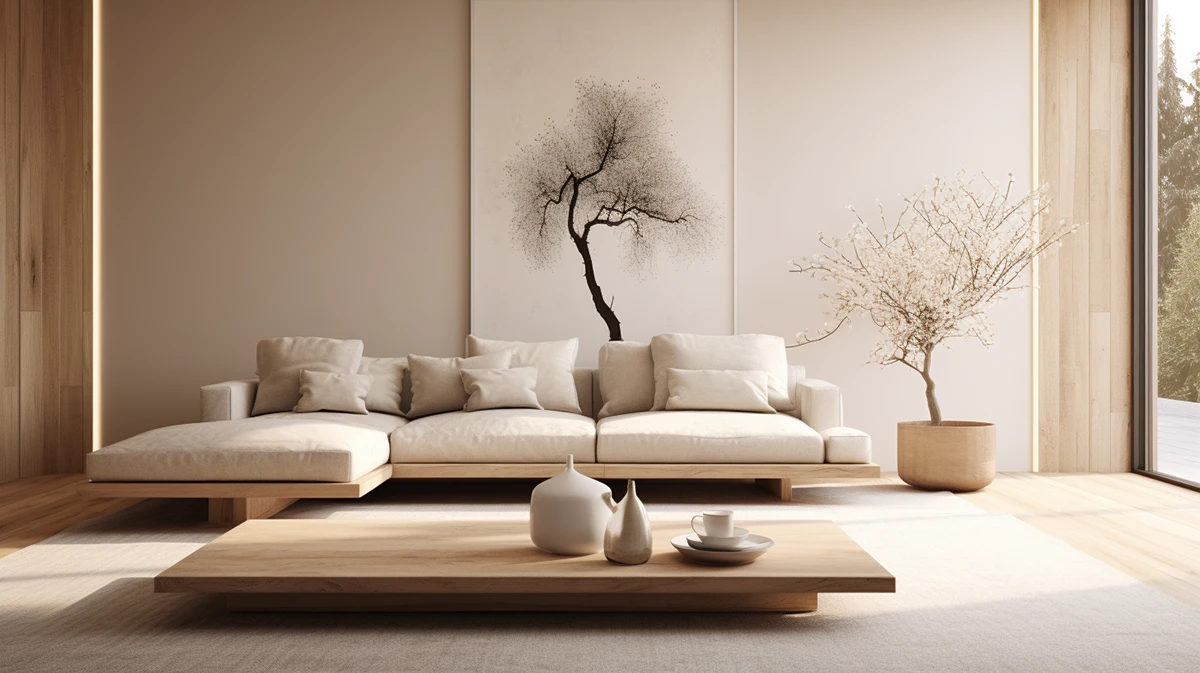
Bring outputs into Coolors or Adobe Color. For Lumen Atelier, the palette settled on warm stone (#C4A882), deep graphite (#2B2926), aged brass (#8C6D3F), and soft linen (#EDE7DC). These four values anchor the brand's color story.
Presenting Midjourney v7 Branding Directions to Clients
Step Four: Client Presentation
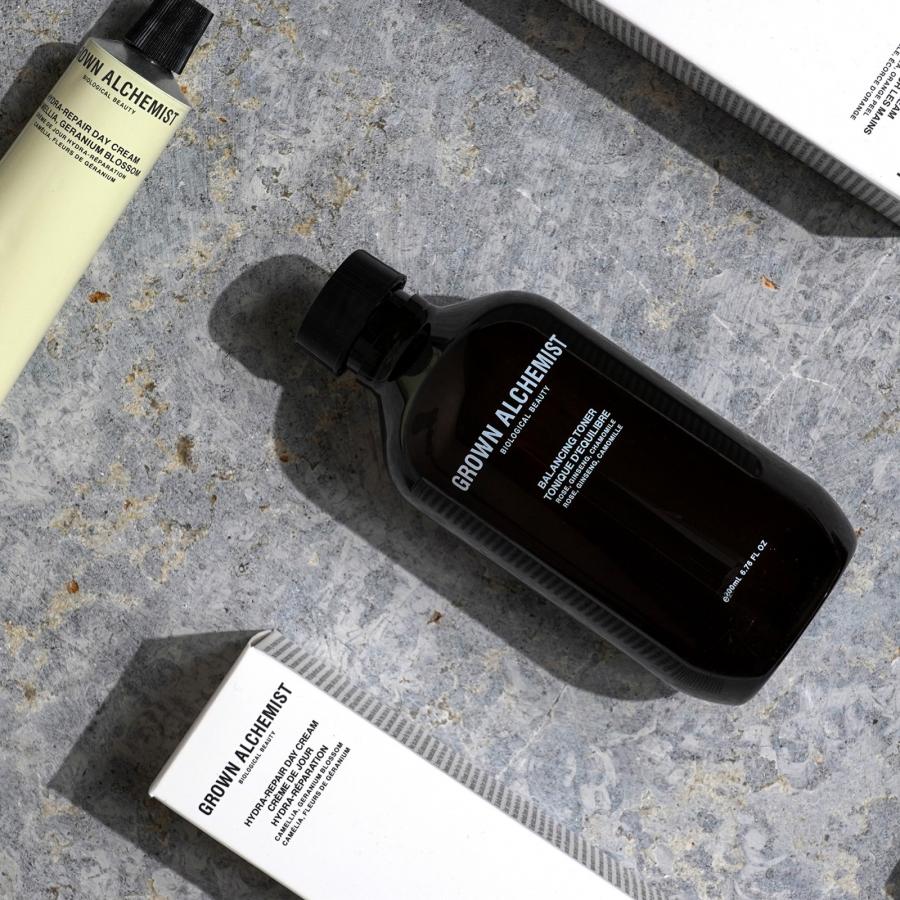
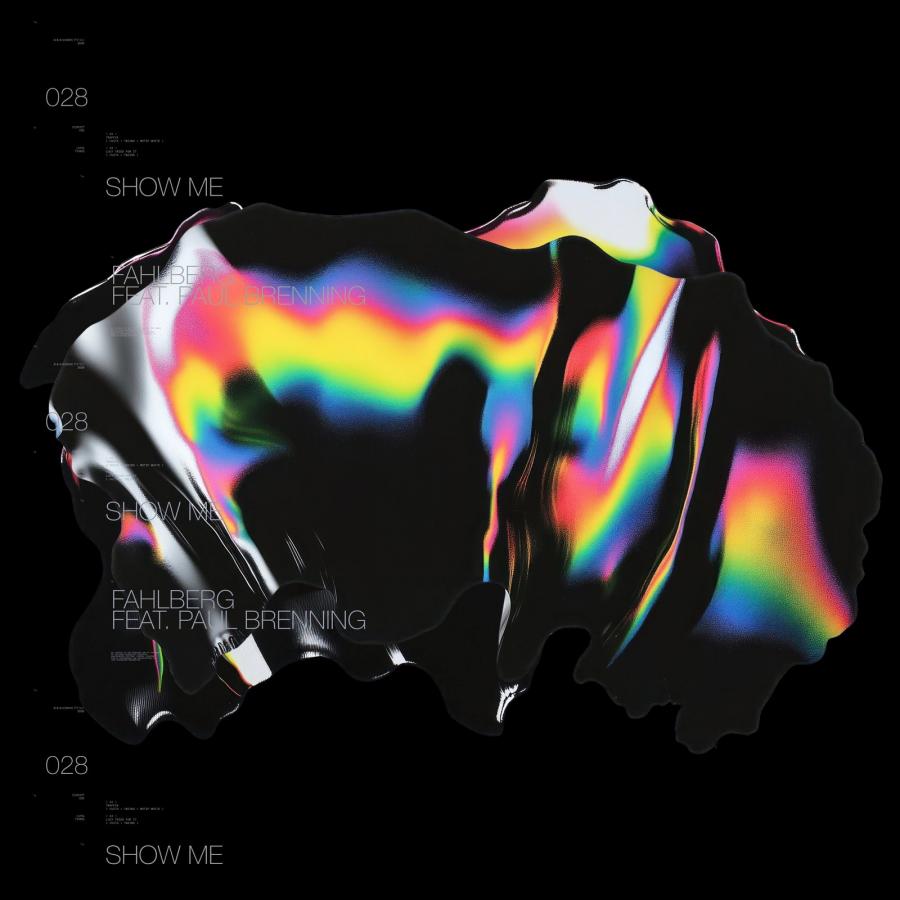
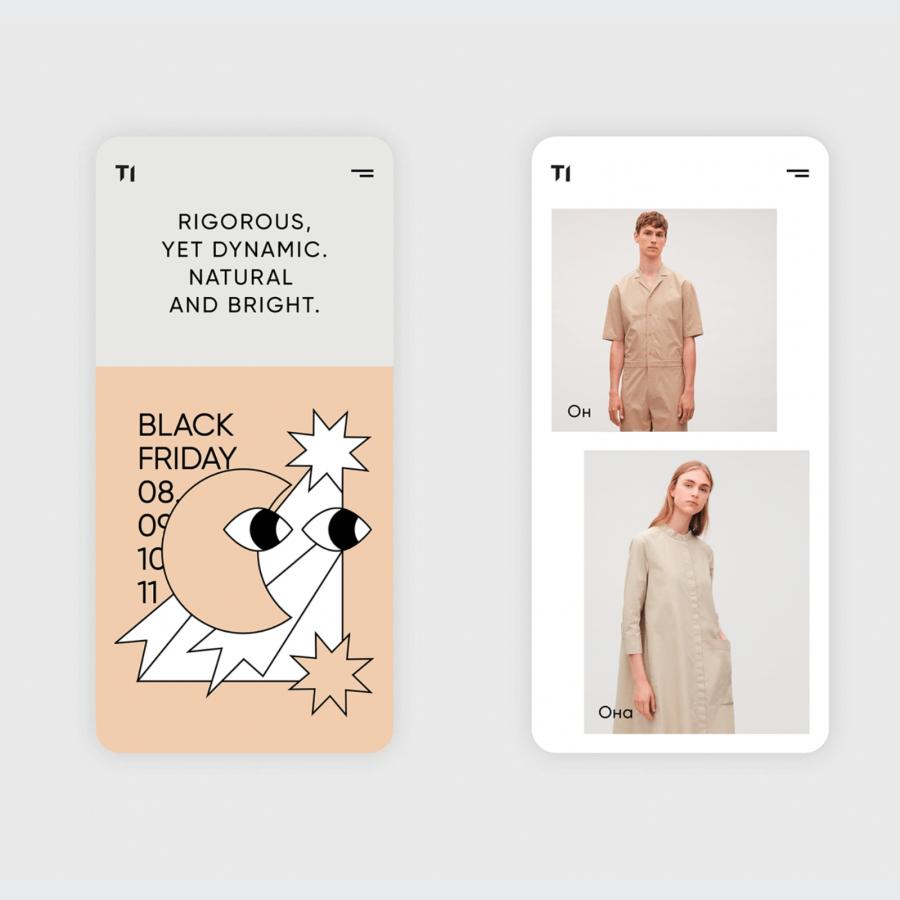
Structure three direction boards, each with four images, a color palette, a typeface suggestion, and three defining keywords. When a client asks whether AI made the images, the professional answer is direct: these were generated using AI tools guided by creative direction and the brief. They are a design hypothesis, not a final deliverable. That framing positions the designer as creative director. The tool is Midjourney. The judgment is yours.